Amino acids
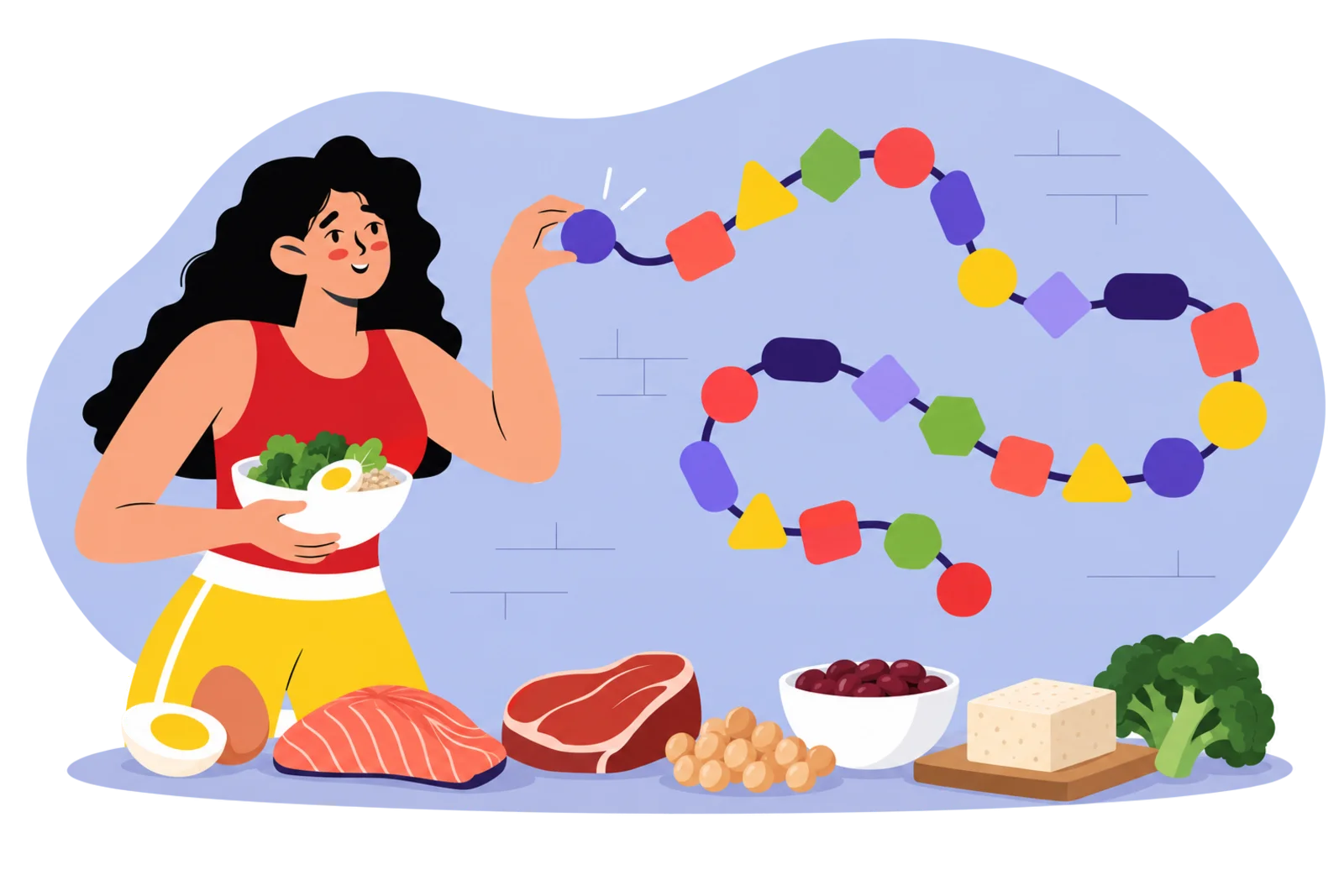
Amino acids are organic compounds that serve as the building blocks of proteins and also act as metabolic intermediates or precursors for other molecules. Human proteins are assembled from a standard set of protein-forming amino acids, but the body handles each amino acid according to its structure and current physiological needs.
Nutrition commonly groups amino acids by whether the body can make enough of them. Indispensable, or essential, amino acids must be supplied by the diet in adequate amounts. Nonessential amino acids can normally be synthesized by the body, while some become conditionally indispensable when synthesis cannot meet demand in a particular stage of life, illness, or severe stress. "Nonessential" therefore does not mean unimportant.
The nine indispensable amino acids are often marketed together as EAAs. Leucine, isoleucine, and valine form the subgroup called BCAAs, or branched-chain amino acids. Leucine participates in signaling involved in protein synthesis, but muscle tissue cannot be built from leucine alone. All required amino-acid building blocks, sufficient energy, and a training stimulus still matter.
Food protein is digested into amino acids and small peptides before absorption. The resulting body pool is continuously used for protein turnover and for compounds such as neurotransmitters, creatine, and nitrogen-containing molecules. Amino acids are not stored in a dedicated reserve comparable with body fat or glycogen; excess amino-acid carbon skeletons can be oxidized or converted, while nitrogen must be safely disposed of.
The DGE overview of protein and indispensable amino acids emphasizes amino-acid profile, digestibility, and complementary food combinations. A varied diet with sufficient protein generally supplies the full set. Plant proteins can contribute effectively, especially when different sources are eaten across the day.
Free-form amino-acid supplements are not automatically more useful than intact protein. An isolated amino acid may have a clinical or sport-specific use, but adding more of one component cannot correct inadequate total energy, insufficient overall protein, or poor training. High-dose use also deserves caution where medication, pregnancy, or kidney, liver, or metabolic disease is relevant.