Cut
Also known as: Cutting phase, Fat-loss phase
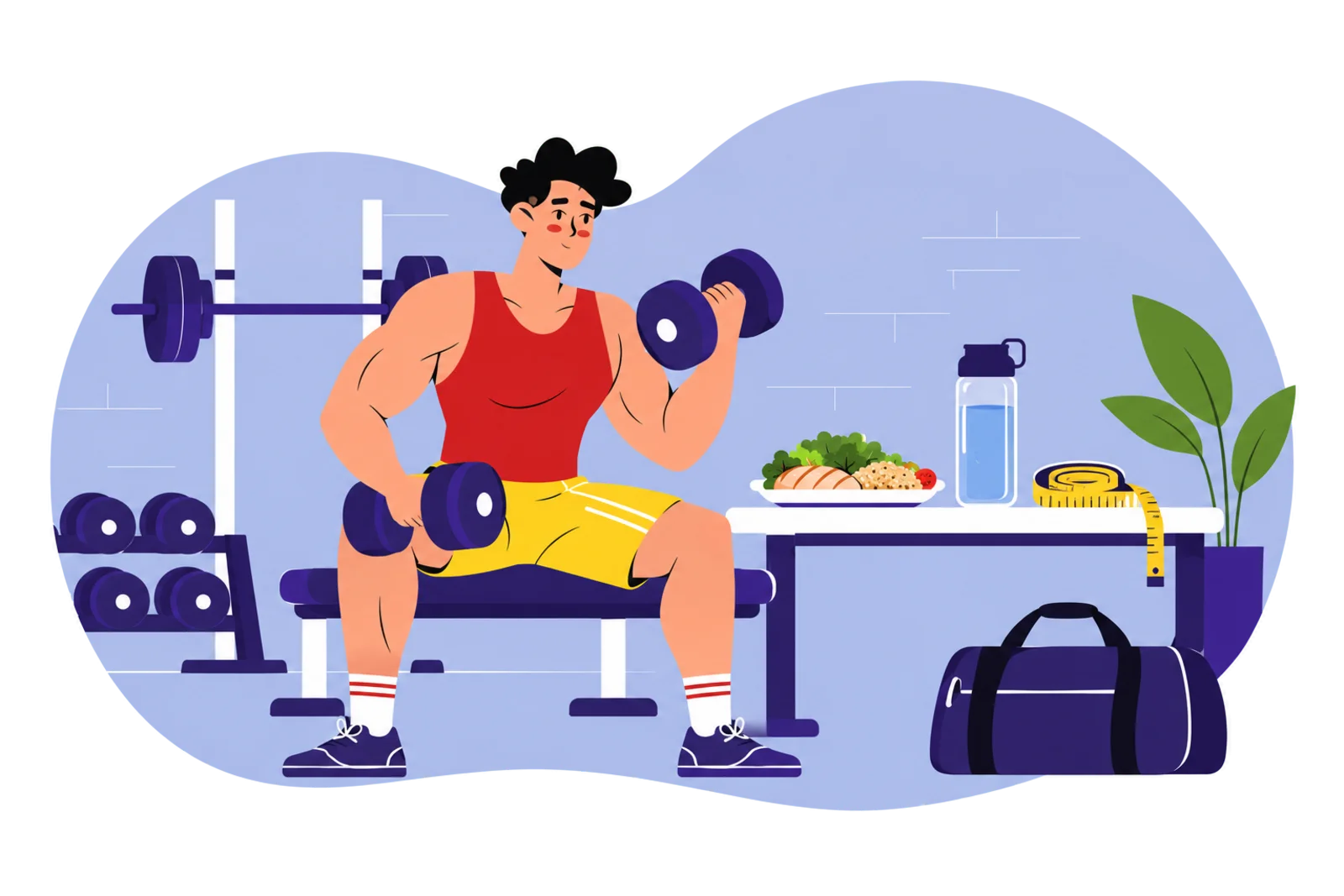
A cut, cutting phase, or fat-loss phase is a planned period aimed at reducing body fat, usually while retaining as much muscle and training performance as practical. A cut normally requires a sustained calorie deficit. The terms are not identical: the deficit is an energy state, while the cut is the broader nutrition and training phase.
Resistance-trained people generally continue strength training during a cut and consume enough protein to support lean-mass retention. The program may need adjustments as recovery capacity and performance change, but a cut is not simply a period of deliberately easy training. Food choice, sleep, stress, and adherence also affect how manageable the phase feels. A sports-nutrition position statement supports matching nutrition strategies to the individual athlete, training demands, health, and performance goals.
No single daily deficit or weekly loss rate is right for everyone. Starting body-fat percentage, body size, training age, phase length, performance priorities, and previous dieting experience all matter. More aggressive loss may be harder to recover from and can raise the risk of losing lean tissue, particularly in already lean athletes. More gradual loss takes longer but may be easier to sustain. The goal is an appropriate tradeoff for the person, not a universal number.
Assess progress with average scale weight over several weeks, supplemented by waist or other circumference measurements, consistent photos if desired, and training performance. Water, glycogen, sodium, the menstrual cycle, and digestive contents can obscure short-term fat loss. If weight and measurements are not moving as expected, check tracking consistency and activity before making large intake changes. A planned diet break at approximate maintenance may improve adherence for some people, but it does not make the underlying energy balance irrelevant.
A physique cut is also different from rapid "weight cutting" for a weight-class event. Acute dehydration reduces scale weight without being fat loss and can carry serious health and performance risks. Persistent fatigue, recurrent injury, menstrual disturbance, dizziness, or disordered-eating symptoms require professional assessment rather than a more aggressive cut.