Protein powder
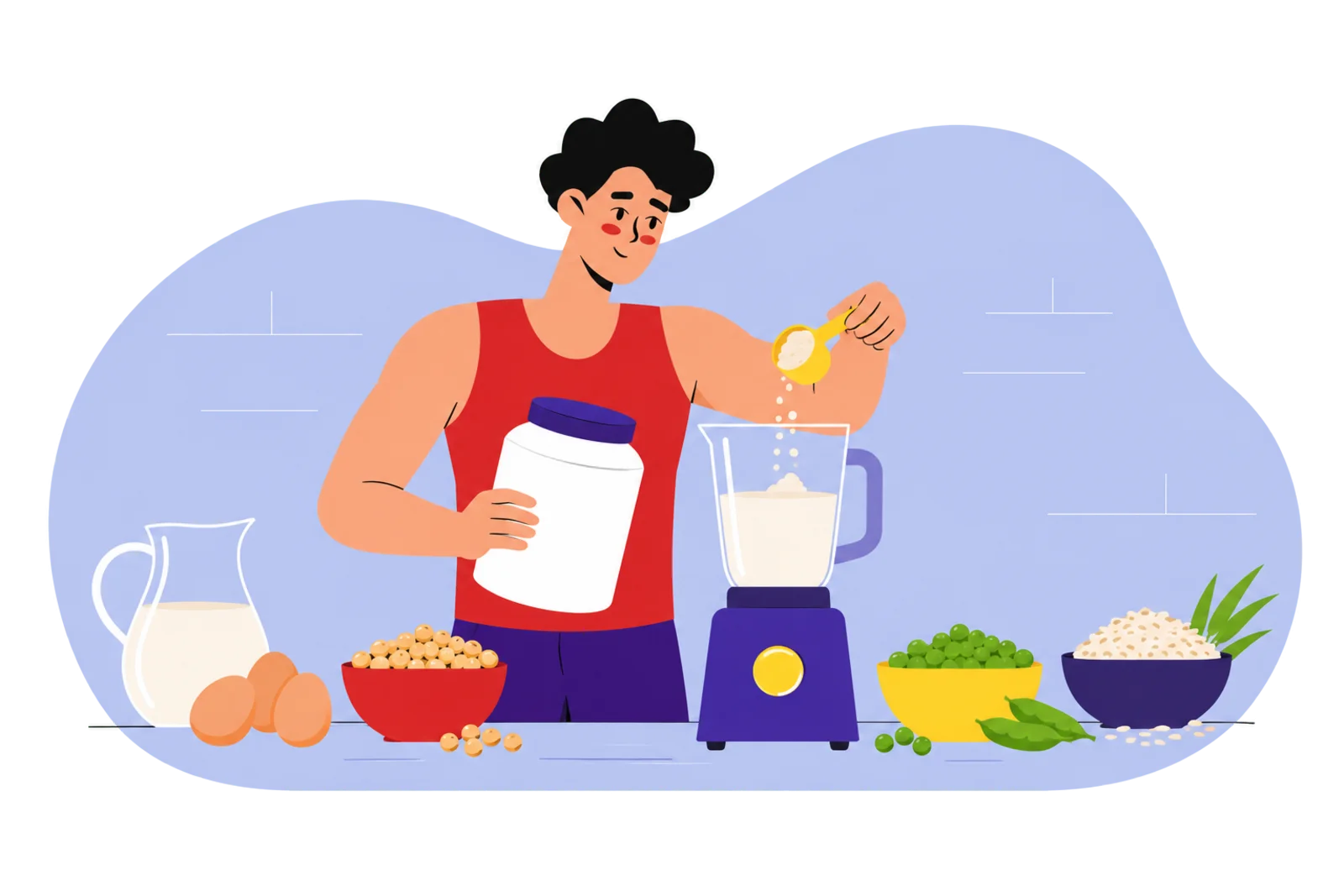
Protein powder is a dry, concentrated source of dietary protein intended to be mixed into a drink or food. It can be produced from milk, egg, soy, pea, rice, or other raw materials and is sold either as a single protein source or a blend. It is a convenient food or supplement format, not a separate muscle-building nutrient.
The source and the processing term answer different questions. Whey and casein identify milk-protein fractions. Concentrate, isolate, and hydrolysate describe degrees or types of processing. An isolate generally contains a higher proportion of protein and fewer nonprotein components than a concentrate; a hydrolysate has some peptide bonds broken before consumption. None of these labels guarantees better long-term results.
Protein powder can help when a person struggles to reach an appropriate daily protein intake through ordinary meals, needs a portable option, or prefers a predictable serving. It can also be unnecessary. A major meta-analysis of protein supplementation with resistance training found small average improvements in strength and fat-free-mass gains, with diminishing additional benefit as total protein intake became sufficient. The comparison is not "powder versus no powder" in isolation; total intake and the protein already present in the control diet matter.
Judge a product by protein per serving, amino-acid profile, ingredient list, serving size, tolerance, and cost per useful amount of protein. Added carbohydrate, fat, sweeteners, thickeners, enzymes, vitamins, or stimulants change the product but do not necessarily improve it. "Mass gainer" powders may derive much of their energy from carbohydrate and should not be treated as interchangeable with plain protein powder.
Allergen and dietary information matters. Milk-derived powders are unsuitable for milk-protein allergy, even when lactose content is low. Lactose tolerance varies, and "isolate" does not guarantee zero lactose. Plant blends can provide all indispensable amino acids, but protein content and composition should be checked rather than inferred from a vegan label.
Protein powder also inherits the quality risks of dietary supplements. The IOC supplement consensus advises athletes to consider contamination and anti-doping risk; independent batch testing is especially relevant for competitors. Powder does not require a narrow post-workout window, and more scoops are not automatically beneficial. People with medically prescribed protein restrictions or relevant kidney, liver, or metabolic disease need individualized guidance.