Yohimbine
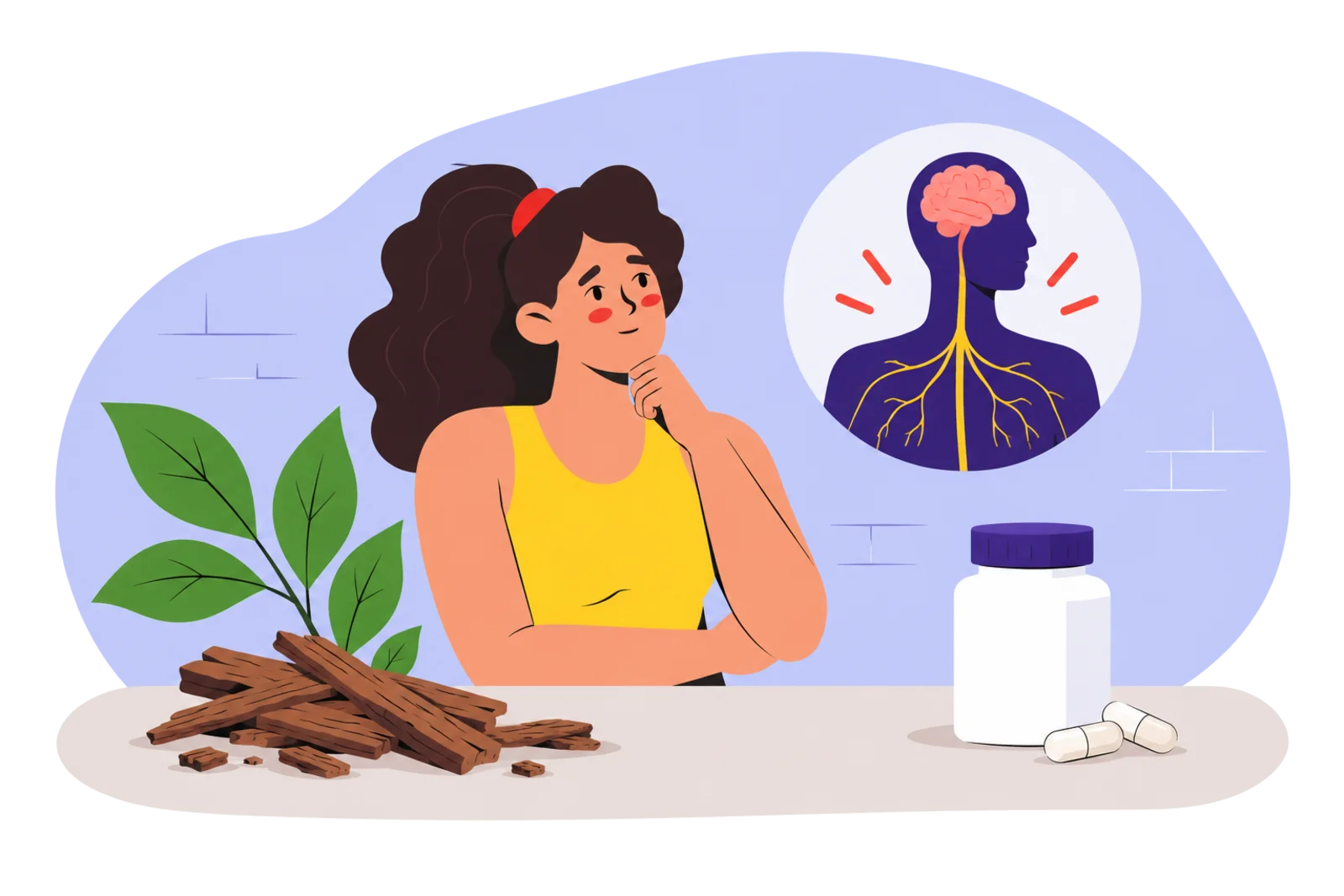
Yohimbine is an alkaloid that blocks alpha-2 adrenergic receptors and increases sympathetic nervous-system activity. Yohimbe is the West African tree whose bark contains yohimbine plus other compounds; a bark extract and a standardized pharmaceutical form of yohimbine are therefore not interchangeable.
In fitness products, yohimbine or yohimbe is marketed as a stimulant, fat burner, or aid for "stubborn" fat. The proposed mechanism involves reducing alpha-2-receptor inhibition of fat-cell lipolysis. A plausible mechanism and an acute rise in circulating fatty acids do not demonstrate greater long-term fat loss. The NIH Office of Dietary Supplements review finds the small human trials contradictory and the evidence insufficient to support a weight-loss claim.
The distinction between ingredient and product is especially important here. Bark extracts can vary widely in alkaloid content, and labels have not consistently matched measured yohimbine amounts. A study of a defined compound does not validate every yohimbe capsule or multi-ingredient pre-workout booster. Product quality testing may reduce uncertainty about identity, but it does not resolve the weak efficacy evidence.
Yohimbine can cause anxiety, agitation, headache, nausea, sweating, tremor, elevated blood pressure, and a fast or irregular heartbeat. Serious cardiovascular and neurological events have also been reported. Combining it with caffeine or other stimulants can increase sympathetic effects. It can interact with antidepressants, blood-pressure medicines, and other drugs, while psychiatric, cardiovascular, kidney, and liver conditions can increase concern.
Because the margin between an intended and harmful exposure can be difficult to judge and product contents are variable, yohimbine is not a low-risk general supplement. Medical supervision is more appropriate than self-experimentation, and urgent symptoms such as chest pain, fainting, severe agitation, or a markedly abnormal heartbeat require medical care. Its legal and prescription status also differs between countries, so availability online should not be mistaken for approval or safety.